
Local context
Orange County rental property owners
Southern California produced a particular kind of landlord: someone who bought a house, moved, kept the old one, and never quite decided whether they were a real estate investor.
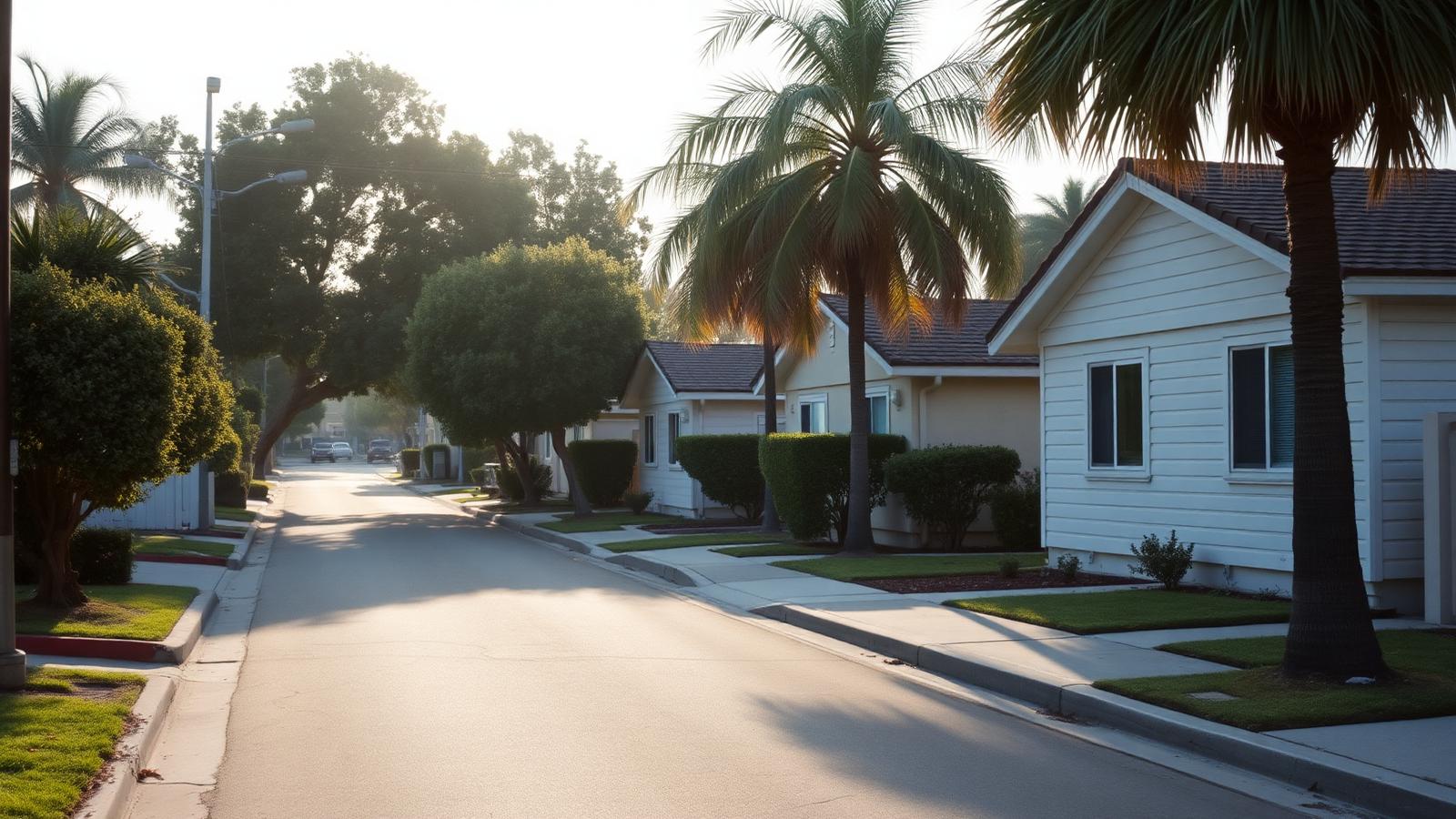
Decades of appreciation have concentrated a great deal of wealth in single properties. Rent has generally not kept pace with value, which means many long-held rentals produce a modest yield on a very large amount of equity.
None of that is a problem in itself. Concentrated equity in a well-located California property has served a lot of families extremely well. It becomes worth examining when the owner's goals change — retirement, health, a move, or heirs who don't want to inherit a rental.
California adds its own layer: state tax treatment of capital gain, statewide and local rent regulation, and property tax rules that make holding attractive and transferring complicated. These are reasons to plan carefully, not reasons to act quickly.
By the numbers
Scale of the picture.
Orange County residents age 65 and older
550,224
2024 ACS 1-Year Estimates
Source: U.S. Census Bureau, 2024 American Community Survey 1-Year Estimates. Last reviewed September 2026.
Local knowledge matters most on the replacement side.
Identifying suitable property inside 45 days in this market is where experience earns its keep — or where an exchange quietly falls apart.